
Let’s be honest—raising kids is a wild ride. One minute they’re mastering long division, and the next, they’re forgetting how to tie their shoes. Somewhere in between, we’re all just hoping they grow into confident, capable humans who can navigate the world without calling home every time they need to change a tire.
That’s where Scouting comes in.
Scouts don’t just learn cool skills—they gain real confidence, leadership experience, and life skills that set them up for success long after they’ve outgrown their uniforms. Here’s how.
1. Confidence: Turning “I Can’t” into “I Got This”
Confidence doesn’t come from participation trophies. It comes from doing hard things, failing sometimes, and figuring it out anyway.
Scouts gain confidence by:
- Learning survival skills like fire-building and first aid
- Taking on leadership roles in their patrols and troop
- Pushing their limits on hikes, campouts, and high-adventure trips
Whether it’s starting a fire in the rain, leading a team project, or standing up to speak in front of a group, Scouts learn to trust themselves and their abilities.
Why It Matters: A confident kid is more likely to take on challenges, try new things, and believe they can handle whatever life throws at them.
2. Leadership: Learning to Lead Without Bossing People Around
Leadership isn’t about telling people what to do—it’s about inspiring others, solving problems, and making things happen.
In Scouting, leadership isn’t just something you read about in a book. It’s built into everything they do.
Scouts lead by:
- Running their own meetings and campouts
- Making decisions as a team in their patrols
- Helping younger Scouts learn and grow
And because Scouting is a safe place to fail, kids learn from their mistakes and become better leaders over time.
Why It Matters: Leadership isn’t just for CEOs and politicians. It’s a skill that helps kids succeed in school, work, and life—whether they’re leading a project, a sports team, or their own future.
3. Responsibility: No One’s Packing Their Bag for Them
In Scouts, if you forget your rain gear, you get wet. If you don’t bring a mess kit, you eat with your hands. If you leave your backpack unzipped, congratulations—your gear is now scattered across the trail.
And guess what? That’s exactly how they learn.
Scouting teaches responsibility by:
- Giving Scouts control over their own progress
- Making them accountable for their gear, schedules, and commitments
- Encouraging them to help others and take ownership of their actions
No helicopter parenting here. Scouts learn through experience, and the lessons stick for life.
Why It Matters: Responsible kids become responsible adults—the kind who show up on time, keep their commitments, and don’t need constant reminders to do their homework.
4. Teamwork: Because No One Survives a Campout Alone
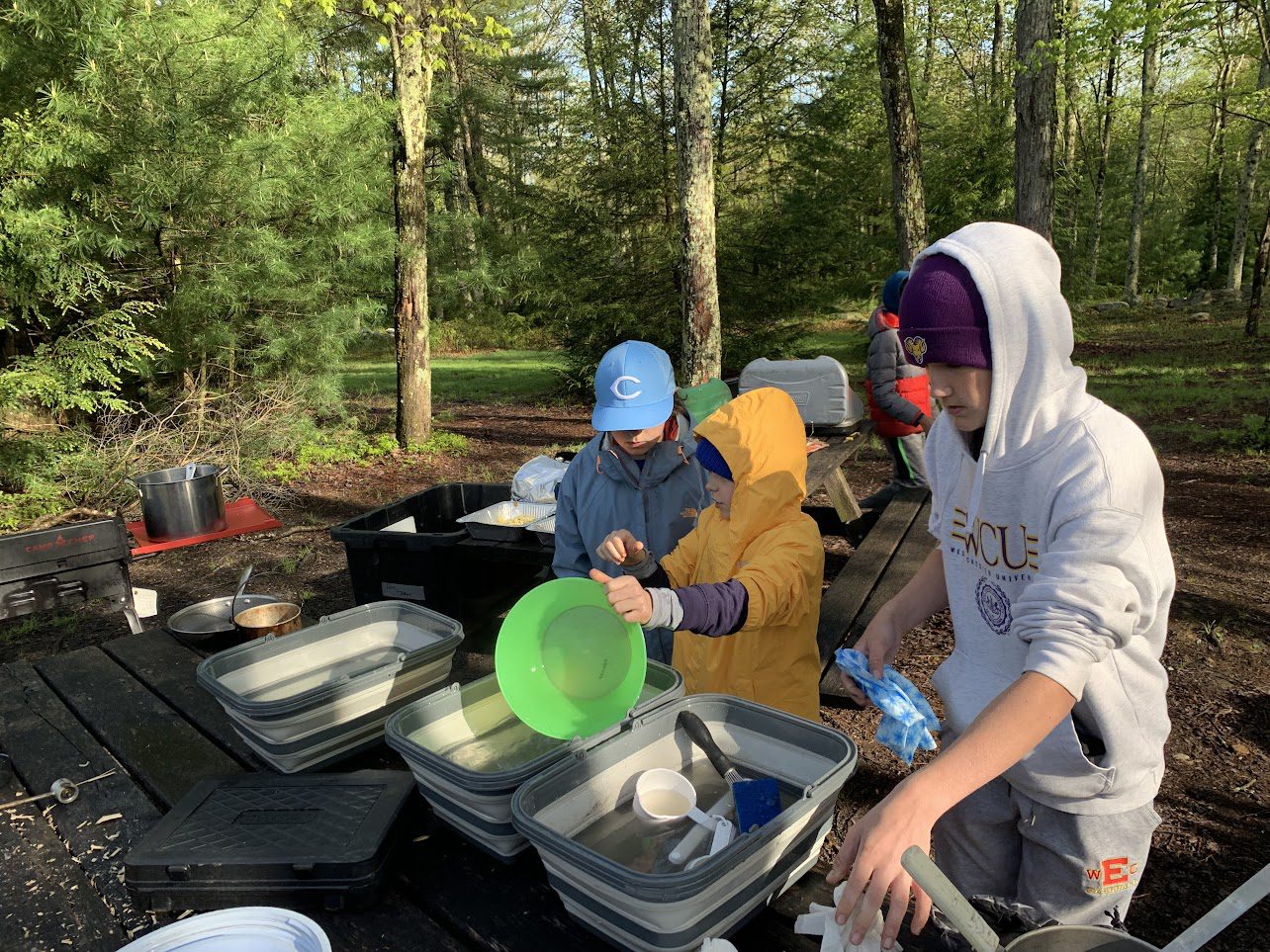
Scouting is built around small teams called patrols. These groups work together to cook meals, set up camp, solve challenges, and plan activities.
That means:
- They rely on each other to get things done
- They learn to communicate (even when they don’t agree)
- They solve real problems together
And when things go wrong—because they will—they figure it out as a team.
Why It Matters: Teamwork isn’t just for sports. Knowing how to collaborate, listen, and support others is a life skill that helps Scouts thrive in school, friendships, and their future careers.
5. Problem-Solving: Learning to Think Instead of Panic
Scouts are trained to adapt and overcome.
From knot-tying to emergency first aid, they learn to assess situations, think critically, and act under pressure. Whether it’s navigating with a map and compass or figuring out how to cook dinner without a stove, Scouting turns kids into resourceful problem-solvers.
And when they make mistakes? They learn, adjust, and do better next time.
Why It Matters: The ability to stay calm and think through challenges is one of the most valuable life skills a kid can have—whether they’re fixing a broken tent pole or figuring out how to pay their first rent check.
6. Outdoor Skills: Because Screens Don’t Teach Survival
Let’s face it—most kids spend too much time indoors. Scouting changes that.
Scouts get to:
- Camp under the stars
- Hike through forests, mountains, and rivers
- Learn how to navigate, cook, and survive in the wild
Not only does this build independence and resilience, but it also gives them a lifelong appreciation for nature—which is something no video game can replicate.
Why It Matters: Outdoor skills teach kids self-reliance, patience, and the ability to handle challenges—without Wi-Fi.
Final Thoughts: Scouting Prepares Kids for Life
Scouting isn’t just about earning badges—it’s about building strong, capable, and confident young people who are ready to take on the world.
By the time a Scout moves through the program, they’ve:
- Led a team
- Learned survival skills
- Gained real independence
- Developed confidence in their abilities
And that’s why Scouting works. It’s fun, it’s challenging, and it builds skills that last a lifetime.
If you want your child to be more confident, more responsible, and more prepared for the future, Scouting is one of the best investments you can make.
👉 Find a Troop Today: BeAScout.org